SDG 6 · Clean Water and Sanitation
SeaTap is intended to improve community access to treated water.
SeaTap is E Lab's early-stage clean-water initiative for salinity-affected coastal communities. Field validation is the next major stage.

In coastal Bangladesh, salinity puts pressure on dependable fresh-water sources. Any useful solution has to do more than treat water in a lab. It also has to be practical to operate, maintain, and deliver locally.
Water may be present in coastal communities without being a dependable fresh-water source.
SeaTap is exploring a treatment approach intended for saline surface water.
The aim is accountable dispensing with practical local operation and maintenance.
SeaTap is intended to improve community access to treated water.
the initiative responds to water stress and salinity risks affecting coastal communities.
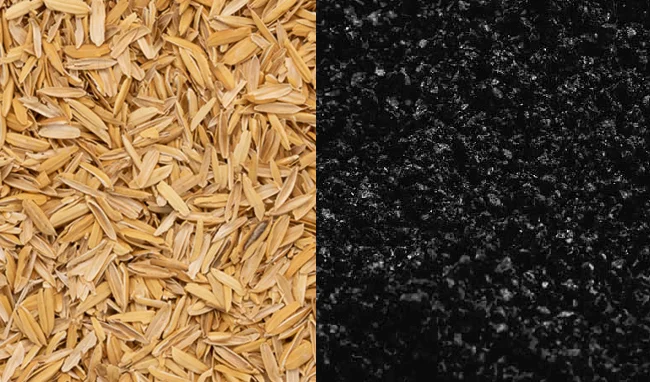
SeaTap is exploring a rice-husk-derived treatment approach paired with accountable dispensing and a local operating model. The aim is to turn saline surface water into a practical community water service without adding more pressure to stressed groundwater sources.
Purifo is intended for non-saline water treatment using established multistage treatment approaches, including conventional RO where appropriate. SeaTap addresses saline-water conditions through E Lab's developing rice-husk-derived treatment approach rather than relying on conventional RO as the core salinity-treatment method. The two systems may share downstream elements such as filtration stages, dispensing, eFLO metering, and grid or solar power, but they solve different source-water problems.
SeaTap also has to work as a local water service, with practical dispensing and day-to-day operation. The aim is to make treated water more accessible while giving operators a clear way to manage use.
Early treatment work and system concepts have been demonstrated. The next major step is field validation.